
About the Santana Institute
Structural analysis of addiction reform, homelessness systems strategy, and veteran reintegration.
Structural problems require structural clarity
The Santana Institute for Strategic Insight was established to examine and address recurring failures in addiction policy, homelessness reform, veteran reintegration, and public health system design.
While crises are often framed as unprecedented, longitudinal analysis reveals recognizable structural patterns that shape outcomes across generations.
This Institute exists to make those patterns visible — and interruptible.
Rather than reacting to headlines, the work centers on architecture: policy incentives, language framing, neurobiological threat activation, housing instability, trauma exposure, and institutional design.
Durable reform requires disciplined analysis, not episodic escalation.
What Distinguishes This Approach
Many conversations about addiction, homelessness, and veteran transition focus on symptoms. The Institute focuses on systems.
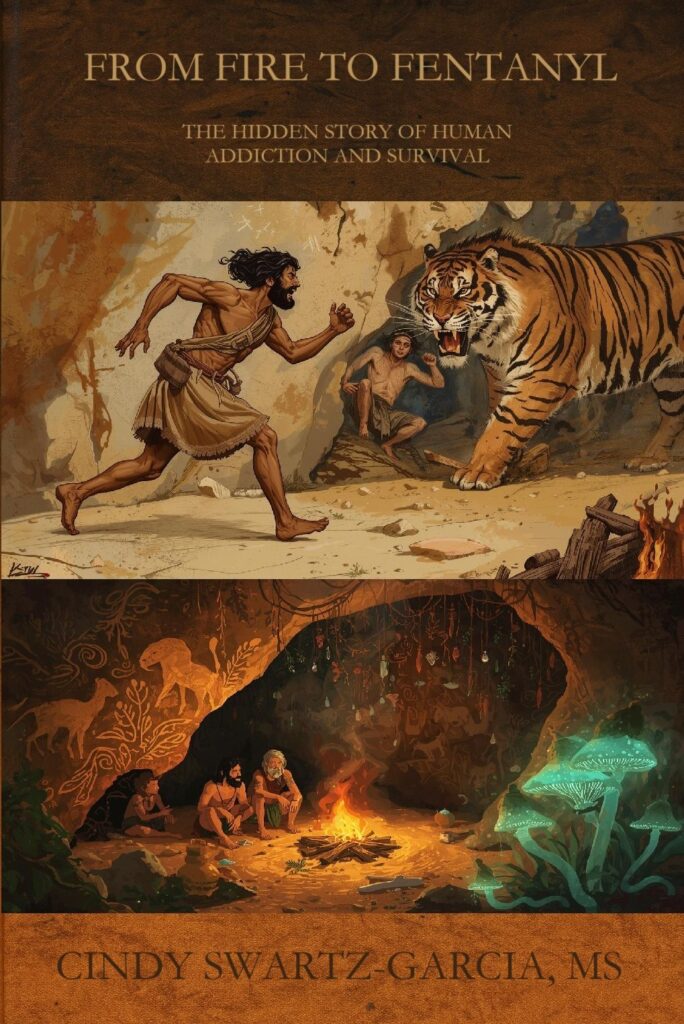
Across five thousand years of substance policy history, societies have moved through predictable cycles of discovery, expansion, moral panic, punishment, and reform.
Understanding this addiction policy cycle changes how leaders design interventions today.
By integrating historical analysis with neuroscience-informed communication and feedback-informed engagement principles, the Institute bridges research and practical application.
CORE AREAS OF FOCUS
The Institute provides keynote presentations, conference lectures, panel participation, and policy roundtables focused on addiction reform, homelessness systems, veteran reintegration, and neuroscience-informed public health communication.
Structural Addiction Reform
Understanding addiction policy cycles and reform patterns.
Fentanyl & Opioid Policy
Historical context and modern policy responses.
Language & Stigma
Communication frameworks that improve engagement.
Homelessness Systems Design
Structural analysis of housing and policy systems.
Veteran Reintegration Strategy
Identity transition and institutional support models.
Neuroscience-Informed Communication
Brain science applied to public health communication.
Why This Work Matters Now
Addiction-related mortality remains high in many regions. Homelessness continues to reflect structural instability. Veteran reintegration challenges persist despite program expansion.
Each crisis is often met with urgency and escalation, yet durable reform requires alignment between neuroscience, communication, and institutional design.
The Institute provides that alignment.
Mission Statement
The Santana Institute for Strategic Insight advances evidence-based addiction policy reform, recovery communication strategy, homelessness systems redesign, and veteran reintegration frameworks grounded in historical clarity and neuroscience-informed practice.
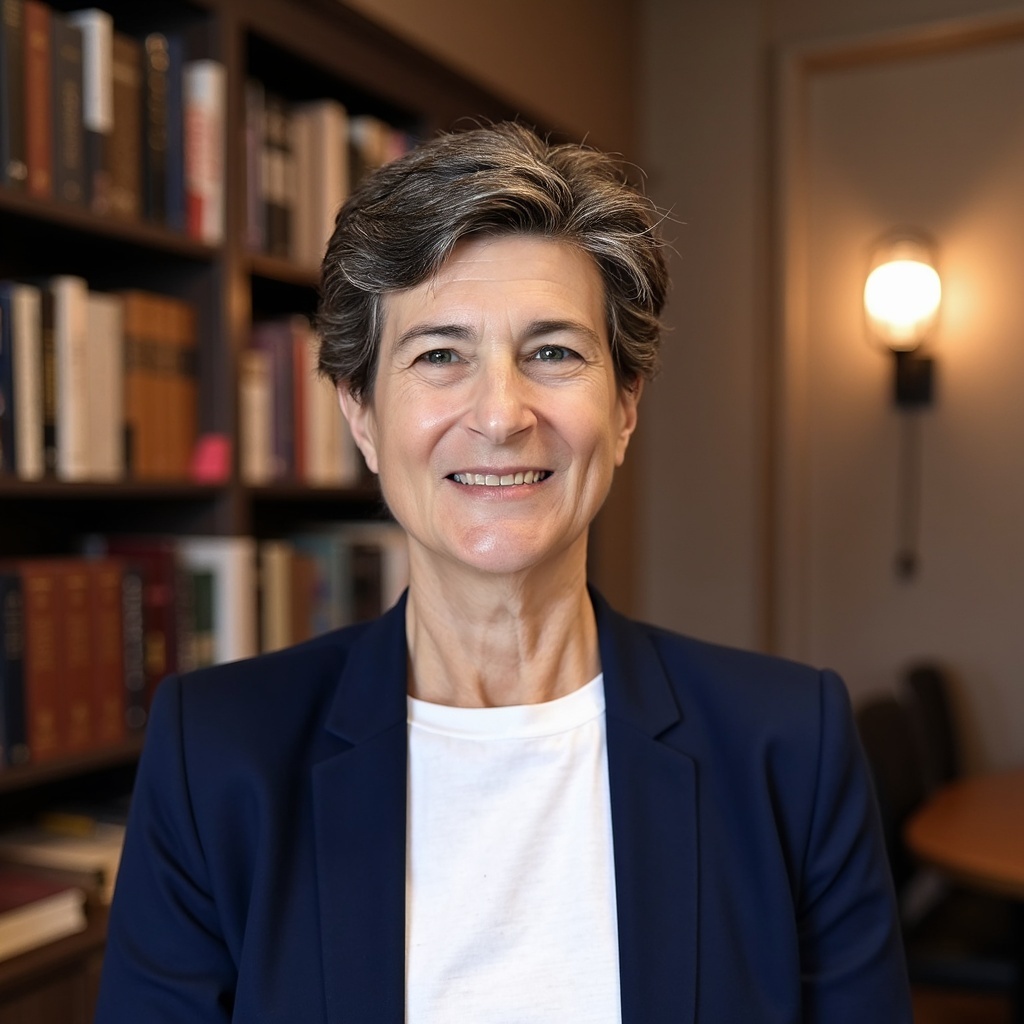
About the Founder
Cindy S. Swartz-Garcia, MS and Augusto Santana-Garcia are the Co-Founders
Santana Institute for Strategic Insight (SISI).
Cindy serves as Executive Director, bringing over four decades of leadership across military service, behavioral science, addiction studies, and systems analysis. A retired U.S. Army Communications Officer, her work focuses on mental health, parenting systems, addiction recovery, homelessness, and veteran care. She integrates neuroscience-informed frameworks with long-range policy and institutional strategy, ensuring SISI’s research is rigorous, ethical, and grounded in measurable impact.
Augusto serves as Public Strategist and institutional ambassador. With a foundation in leadership and systems thinking, he translates research into forward-facing strategy. He engages policymakers, organizations, and media leaders on resilience, governance, and adaptive leadership in rapidly changing environments.
Together, they lead SISI with a shared conviction: meaningful change requires both structural insight and human understanding. The Institute stands at the intersection of research, strategy, and ethical foresight—designing momentum where others stall.